Worldwide Travellers: My experience of the Northern Lights in Lapland

The Northern Lights (Aurora Borealis) is one of the world´s most overwhelming phenomena that you can experience. If you only go to a Scandinavian country in order to contemplate the Aurora, you adventure can become a gamble. This colourful spectacle depends on many factors such as cold, season, clear skies, and solar activity.

I started a four days adventure in the month of February in the small village of Ivalo, Finland. My travelling package included flight, accommodation, winter clothing, two nights chasing the Aurora, and a husky safari.
The first two nights, I went with a guide to hunt the Northern Lights. My guide drove my group to the border with Russia in front of a lake. Halfway, we stopped to take a test shot with the camera (you need to set the camera to bulb, focus on infinite, and leave a long exposure) in order to check any signs of Aurora.

Aurora Borealis Russian Border

Aurora Borealis Russian Border

We pulled over the van near the lake and I started to feel the severe temperatures (-20 degrees) on my body extremities. The sky was cloud and we tried to keep warm drinking hot Finnish fruit juices and returning inside the van every 30 minutes.
After a couple of hours, the cameras started to capture lights of Aurora although they were quite weak to be seen by the human eye. The following night, we went to the same spot with a little improvement regarding weather conditions. The cameras certainly obtained good pictures, but it was still difficult to see the Northern Lights clearly.

The next day, I rode in a sleigh pulled by six huskies on safari for three hours, crossing frozen rives and snow-covered forests. Huskies can cover 80 km per day reaching an average speed of 15 km per hour depending on the paths. The sleigh is easy to control: if you leave your legs on the foot boards, the huskies start running; if you put all your weight on the claw brake, then the huskies slow down until the sleigh stops.
In open field you leave the huskies freedom to run, but in the hills and downside slopes, you need to break sometimes and moderate the speed keeping the safety distance with others sleigh. If you do not hold the handle bar strongly when the huskies run, you can fall off and leave the sleigh without control.

Huskies

Huskies resting on the snow

That evening I went after dinner outside my cottage accommodation to take a test shot. Weather conditions were good -30 degrees, clear sky, stars shining and optimism. On my camera display, I saw green lines and strong signs of Aurora.

After a couple of hours waiting, finally the Northern Lights started to play on the sky showing its colours: green, red and yellow. Meanwhile, the huskies began to howl at the back of the cottage. Witnessing this amazing phenomenon of colours and movements is overwhelming. You feel like you are being taken to a magic world. On my following night, I was lucky again and I saw the Aurora´s dancing from my accommodation even with more intensity. Here is my video about this experience.

Tips: Research all information possible before taking this trip to maximise your chances to see the Northern Lights. A good camera DSLR, three batteries, tripod and remote shutter are essential to take good pictures and ensure you create unforgettable memories that will last a lifetime.

PS: I got the inspiration to write up this article through the international blogger contest “Traveller Worldwide” from Creativelena. Check it out here!

#CTC13 “Capture the Colour” competition by #Travelsupermarket

I am looking for pictures through my 100 folders to participate in a photography competition. The closing date for submission is 9 October, 2013. Fortunately, I have a few hours before the deadline. The competition will be hard as there are many good bloggers publishing pictures, but I will give my best shot.

#Travelsupermarket has launched a photography competition called Capture the ColourTwitter (#CTC13)  where bloggers have to showcase their best shots in five categories: Blue, Red, Yellow, Green, and White.

The last year competition more than 3,000 pictures were submitted making judge´s decisions tougher.  There is one judge for each colour: Yellow (Ken, kenkaminesky.com); Red (Abi, insidethetravellab.com); Green (Dave & Deb, theplanetd.com); White (Christine, almostfearless.com); Blue (Daniel, canvas-of-light.com).

The winner will receive a £3,000 travel fund and the category winners can choose from 128 GB Ipad, Fujifilm Digital Camera Kit and £750 to spend with Arc’teryx.

Blue for a new world

I was in St. Michael, Cornwall (The U.K.) taking this shot that moves you from Earth to a new world. The rock in the middle of the beach seems like a path to a different planet, where you can observe the blue sea with the contrast of the blue colour sky (yes, sometimes The U.K. has good weather and lovely landscape).

St.Michael (Cornwall, UK)

St.Michael (Cornwall, UK)

Catchy red doors

Red district, magic mushrooms and joints to smoke in coffee shops. Yes, this picture was taken in Amsterdam (Netherlands), but I wasn´t under any hallucinogen substances for this shot. I was in a boat trip exploring the channels of Amsterdam and their buildings with its idiosyncrasy and colours. The houses and buildings take you back in time.

Red doors building

Red doors building, Amsterdam

Yellow hot air balloon

This picture relates my first trip on a hot air balloon. I was nervous at the beginning as I didn´t know if I would cope with the heights (it seems scary once you are there). I was in Cardedeu, 30 minutes away from Barcelona. I had clear sky having the change to admire Montserrat peaks, Barcelona itself and the Mediterranean Sea from bird eye view.

Hot Air Balloon in Carcadeu, Barcelona

Hot Air Balloon in Carcadeu, Barcelona

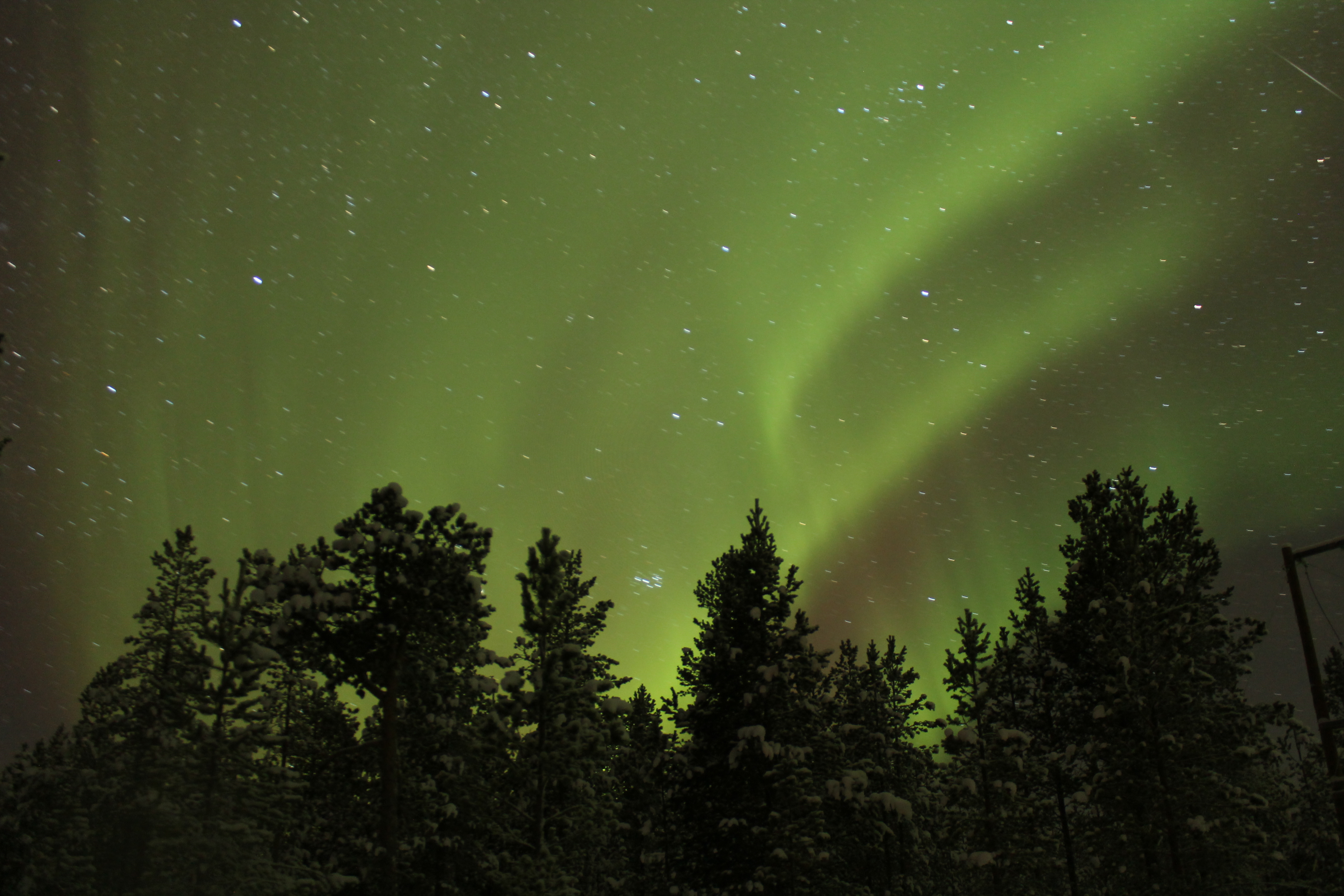
 Green Aurora Borealis

Taking a shot of the Aurora Borealis (also known as the Northern Lights) is a dream come true. I went to Ivalo, (Finland) this February and my holiday gamble paid off as I saw on three consecutive nights the Northern Lights. You need clear skies at night and plenty of electrons activity toward the magnetic fields. The weather was -30 degrees but it did not matter as I saw those green lights showing up and dancing on the sky.

Aurora Borealis dancing in Ivalo, Finland

Aurora Borealis dancing in Ivalo, Finland

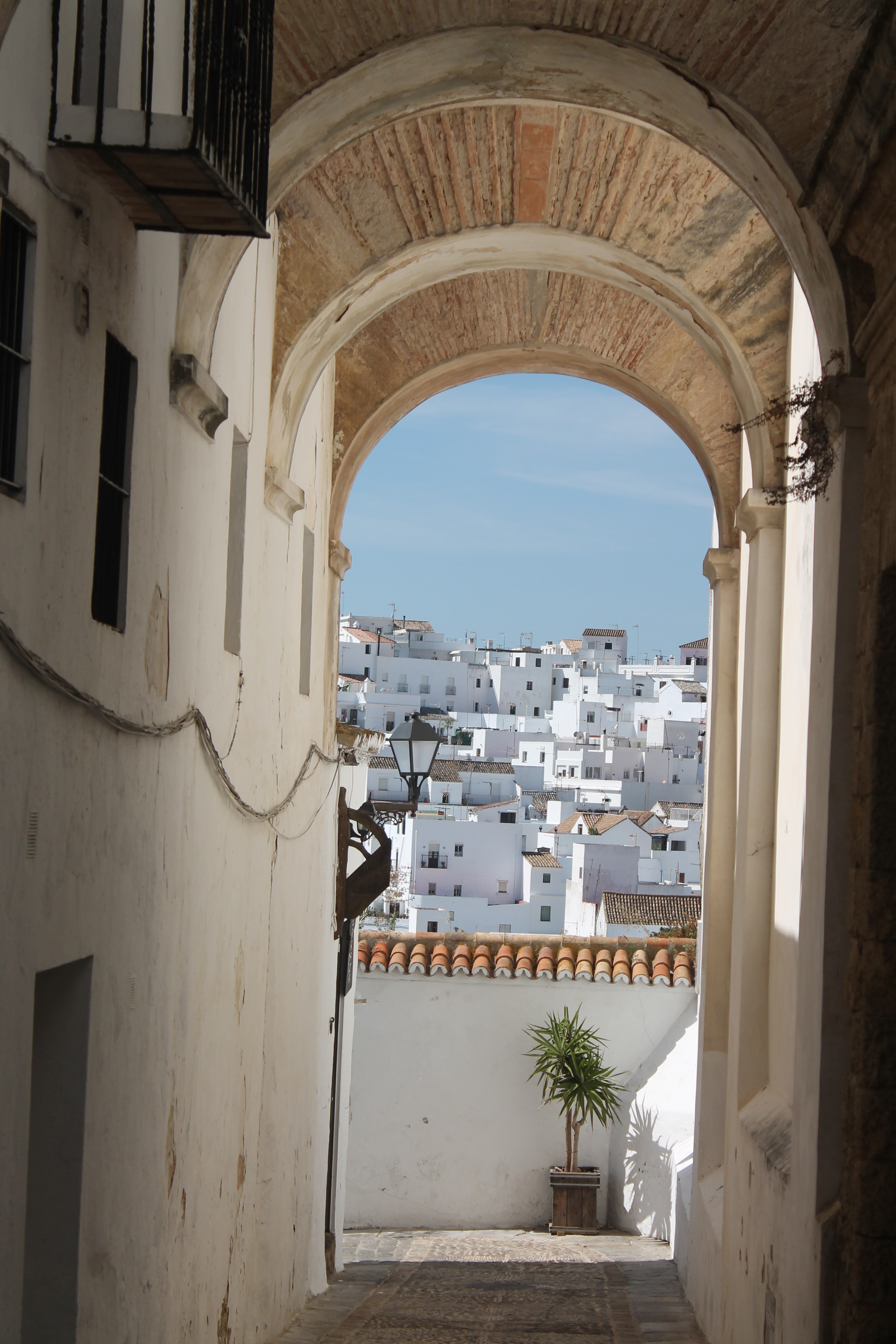
 White Vejer de la Frontera

When we talk about white colour, the first thing that comes to my mind is the white villages of the Cadiz province (Spain). Vejer de la Frontera is considered one the most beautiful white villages of Europe. The contrast between the houses of Vejer and the sky is extraordinary. Vejer´s council oblige its citizens to keep white their houses. This picture of Vejer shows the main characteristic of this village: peace, relax and a perfect place to run away from the big cities.

White houses in Vejer de la Frontera, Cadiz (Spain)

White houses in Vejer de la Frontera, Cadiz (Spain)

My showcase pictures are chosen, but as part of the competition “Capture the Colour”, I need to choose 5 travel bloggers, so here is my list:

Elena Paschinger of Creativelena.com

Monika Fuchs of TravelworldOnline-Traveller.de

Sarah Lee of LiveShareTravel

Jack and Andy Motgomery of Buzz Trips

Stuart Foster of Go-Eat-Do

#Balticdiscovery project, a mirror to understand creative tourism

Bloggers travel to experience creative tourism in the region of Mecklenburg, Germany
Establishing blogger relations is an effective way to promote creative tourism and attract tourists to visit regions that lack the reputation of big destinations such New York, London, Barcelona, Madrid or Paris. Creative tourism is more than just spending time relaxing at the beach, or just sightseeing visiting museums, attractions and historical sites.

UNESCO also defined the meaning of creative tourism in terms of organizing activities of learning from direct experiences such as participating in activities and interacting with local people. The goal is that tourists are not just passive visitors, but they become an active member of the community. Creative tourism is a new way to travel.

This spring, the region of Mecklenburg (Northern Germany) has organized the project #balticdiscovery, which consists in a press trip of four days travelling around the beautiful German Baltic Coast (Wismar, Kühlungsborn, Büttelkow and Rostock). Journalist bloggers from Italy, Denmark, Austria, Spain and Germany were invited to learn about their creativity, culture, history, architecture, and culinary arts.

#Balticdiscovery started with a journey to Wismar, a port city with one of the largest squares in Northern Germany and buildings protected by UNESCO. There, our group enjoyed dinner with Paetrick Schmidt, a local talented young artist who lives rather isolated in a studio on the last floor of the University building of Wismar.

Schmidt went to study to Virginia with a scholarship in 2009. Some of his pieces have been displayed even in Japan. The atrocities of the Nazi violating human rights in concentrations camps are evident in some of his collage paintings.

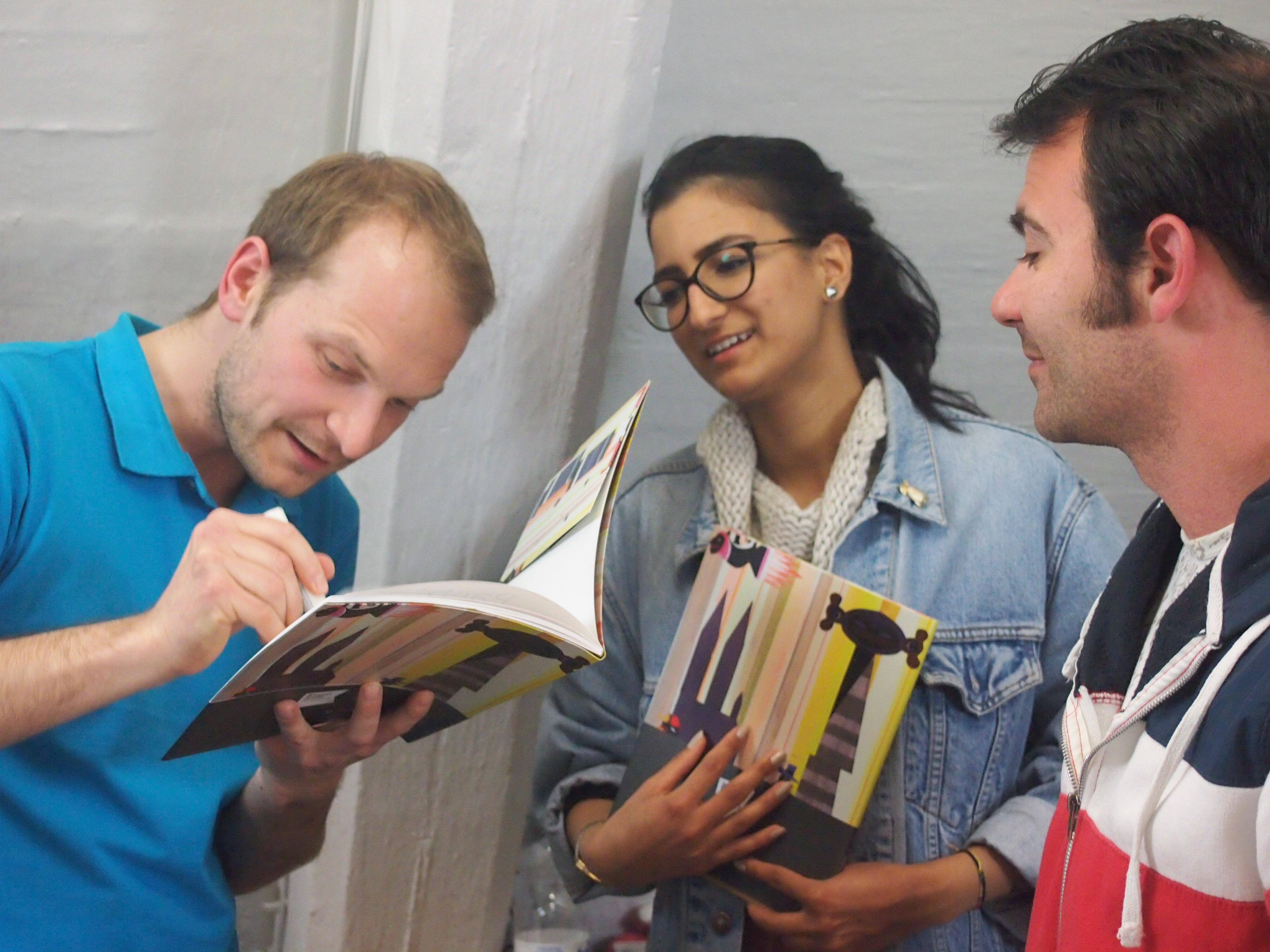
Paetrick Schmidt dedicating his book for #balticdiscovery

Paetrick Schmidt dedicating his book for #balticdiscovery

His studio is messy but at the same time his artworks are very clear-cut and most of the members of #balticdiscovery team are taken aback by his creations. An artist cannot stop thinking about his new creations and perhaps the visit of multicultural journalists from different countries inspired him with fresh innovative ideas for future masterpieces.

Paetrick can stay for long hours working on one of his pieces because “once you are inspired you cannot stop since an artist can lose their focus and creativity”, he said. Admiring his paintings and collages, everyone can see his sarcastic, witty and smart humor reflected on the canvas.
When #balticdiscovery asked him about the meanings of his work, he replies, “I am unable to describe my own work as it can be seen in many ways so I rather people to interpret my pieces themselves.”Paetrick gave to each member of #balticdiscovery one of his published books personalized with a dedicatory statement on the front page. This book might very well become a treasure in decades so it must be kept for future generations.

#Balticdiscovery then continued its journey in Kühlungsborn, one of the top local destinations for German people who are attracted by the nature, green landscapes and a lovely beach. The journalist team went to a Museum Art Studio called AtelierhausRösler-Kröhnke, owned by Louise Rösler. She is the third generation artist in the family and keeps alive the creativity tradition.

Louise explained that many of her relatives’ paintings were destroyed and burnt by the Nazi because their art did not follow the patrons imposed by the Nazi propaganda. In those times, Louise was denied to use certain art tools such as paint colors, crayons, and watercolors.

Louise Rösler & #Balticdiscovery

Louise Rösler & #Balticdiscovery

She has created many of her collages from disposal materials like candy papers that American soldiers left during war times. Even old CDs, stamps, newspapers and empty markers were used by this wise lady to make beautiful collages canvas. Louise also uses old cloth to make new ones and in her house next to the museum, every room has a theme color that contrasts with the white walls. At her museum, we could also see a spectacular kinetic work collection.

Büttelkow was the next stop for #balticdiscovery, and E-bikes were used to cover the 12km distance from Kühlungsborn. E-bikes are bicycles with an attached motor used to assist with pedaling. E-bikes have speed modes that allow you to specify how much extra power they provide.They are ideal to deal with steep hills, their electronic batteries give you a boost of 5 or 10km extra speed like F-1 Kers system.
Herrenhaus Estate Büttelkow mansion is a guest house owned by Andreas Renner and his wife Antje. Renner has in his basement workshops where he creates amazing sculptures, paintings and artworks. Observing Renner´s work, you can notice that he has a gift for art in many ways because he is a master in many disciplines. One of his surrealist paintings hanging at his hall entrance recalls Salvador Dalí style.
Renner´s painting

Renner´s painting

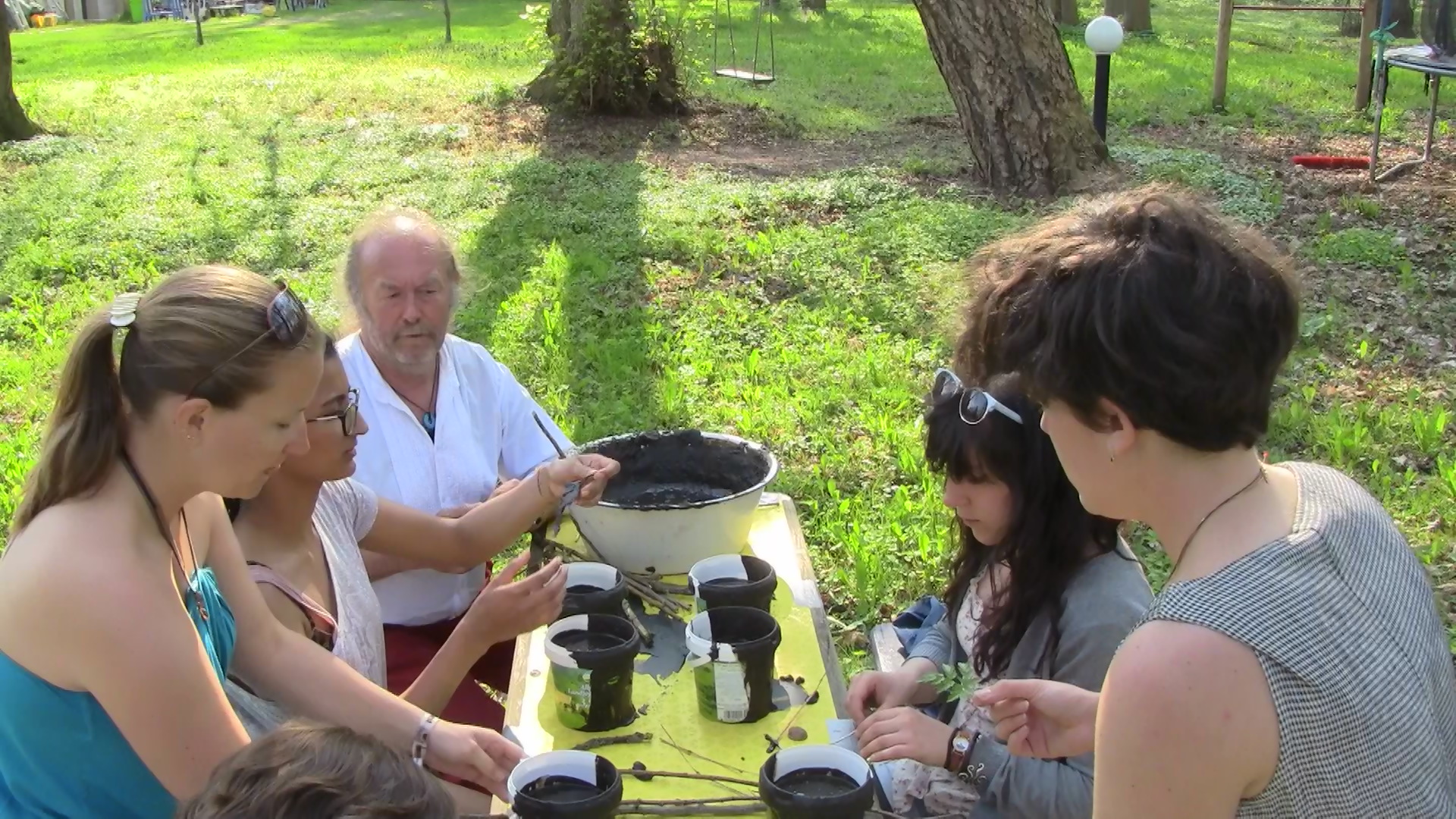
Renner offered #balticdiscovery two workshop sessions: the first one consisted in playing with hot wax to create objects using nature materials that were around in the garden such as branches and leaves from the trees, stones, and flowers. Hexagonal figures, masks, rings, or animals were made with this technique; at the second one Andreas gave to each member an A4 paper which included 6 frames. The idea of the activity was to draw the first thing that came to your mind and pass the paper to the next team member until all frames were completed. Colored pencils and marker pens were used for this seminar.

The press trip finished at Rostock, the largest city of Mecklenburg and home to one of the oldest universities in the world, the University Of Rostock founded in 1419. #Balticdiscovery started its itinerary at ProduzentengalerieArtquarium, a creative space in the heart of Rostock that allows for a cross-breed of various forms of art such as photography, ceramic, graphic, porcelain, and jewelry. Anna Silberstein, a jewelry designer, showed us the Artquarium´s departments at the backyard. In her studio, she demonstrated how to make a ring from scratch step by step and explained all the tools involved in the process.

Renner´s workshop

Renner´s workshop

#Balticdiscovery then popped in at nähmarie shop, owned by vintage designer entrepreneur Maria. She opened the small shop in June last year and since then her business has been growing very fast. Maria learnt sowing from her Greek grandfather and art crafting from her dad. She collaborates with important shops in Germany that ask her for specific clothing products.
Her success lies in three key components: Handmade (DaWanda lovers will find unusual 60s and 70s items, clothes, bags and accessories), vintage (collectors of ancient treasures can find fashion, decorative items, accessories and more, all originals from 50s, 60s, 70s and 80s!) and material (lovers of creative and unusual vintage fabrics, trims or buttons would fall in love with her designs).

The creative tour ended visiting a 21-year old clothing designer, Juliane Borths, who works and lives in her studio. Cold//byis the name of her brand and all her collection and clothing are made in the traditional way with a sewing machine. Borths sells her clothes on Internet and she also has some shops that buy her products. One of her pieces takes between 5 and 7 hours to make and she mixes old clothing with other raw material to make her clothing.

This model of creative tourism is a way that is succeeding in many regions of the world choosing quality over mass tourism. The key is to identify what a region can offer that sets itself apart from others in order to create a specific quality niche.
Tom Mboya School where disability is not inability, Kenya

Many tourists enjoy their holidays in Kenya having the most typical experiences recommended by guide books: safaris, beautiful beaches, delicious seafood and some historical monuments.

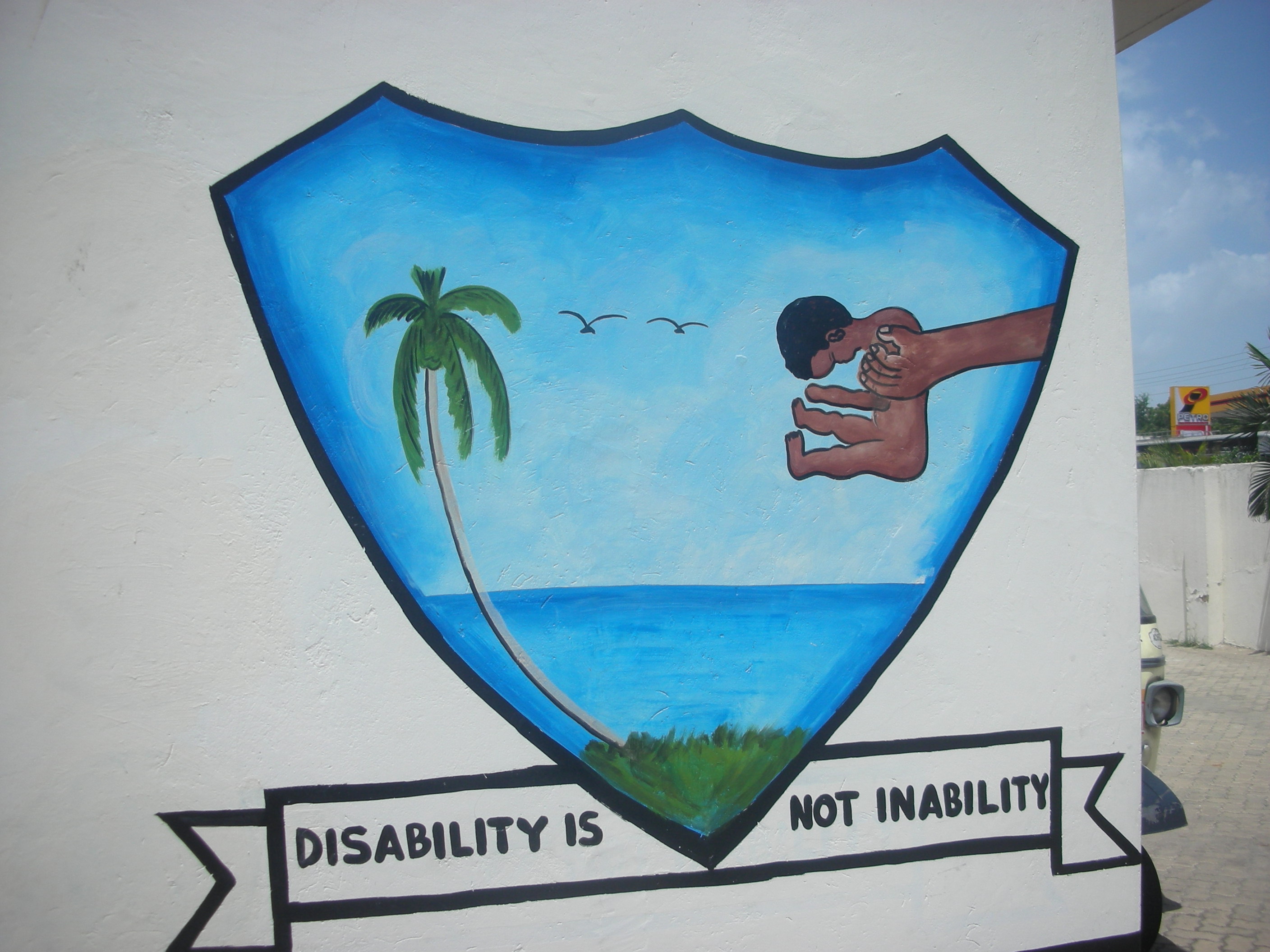
But one of the most rewarding experiences is visiting the Tom Mboya School for Cerebral Palsy which is located in the port city of Mombasa on the Indian Ocean. Their motto is “Disability is not inability”. The school was started in 1995 by parents of kids with CP with the help of the Kenyan Ministry of Education. In an area with a population of about 3 million people, Tom Mboya is the only school in Kenya that specifically serves these children. At the moment, it can only accommodate 90 children.

Motto

Motto

Many of the children have multiple disabilities in addition to CP such as autism and developmental disabilities. Some are bright but because of their CP cannot talk or control their movements. Yet, they are learning to read, do arithmetic, and articulate their needs, thoughts, and desires with the help of dedicated teachers and staff. The school also provides physical and occupational therapy and feeds all the children lunch. Tom Mboya School´s goal are to encourage independence, build confidence and social skills, develop their mobility and speech and language skills at the same time that they receive an education.
The school receives some funding from the national and municipal governments (Kenya does have free primary education) but is not enough to address the needs of the school so parents are requested to contribute 2000 KSH per term (about £ 18). Most families cannot afford this but the school never discharges a student if the parents cannot pay.

The deputy head teacher `Chizi John´ showed me around the school. She was extremely proud of the school, was warm and friendly. She had come to be a special needs teacher as she had twins and one boy was born with cerebral palsy. She persevered in teaching him at home as there was no CP school then and saw the progress her son made. She joined the school because she wanted to share her knowledge to help families with CP children.

Chizi John

Chizi John

Chizi says “born poor is bad luck but to be disabled in Kenya is unfortunate because there is very little help and old traditions are still in place on children born disabled”. According to old African traditions, disability is a curse, caused by terrible wrongdoing, a punishment from God for bad deeds. In rural communities a disabled child can be feared like an evil spirit.
Thomas Ogot, driver of Tom Mboya School, comments on old traditions. “In villages parents are ashamed to produce a disabled child, so the child is hidden away at home, isolated, even abused”. The problem in villages is that people have not adapted to the present. They still live like centuries ago. Ogot explained to me what mostly happens in cities when a disabled child is born. Children live at home but mostly come from single parent families, namely the mother as fathers tend to desert when a disabled child is born.

Ogot took me to one of the Masai village which is situated in the outskirts of Mombasa about 6 miles from the school. There Ogot is going to pick up the only disabled Masai child who goes to the school, Duncan Abasi, 8 years old. Before we are going back to the school, I met his father Isaac, who is the son of the chief in the village and has 9 wives and 36 children. Isaac says that “almost all the members of village had the chance to be educated, it has been very important to understand that some old African traditions are wrong”. But, many Masai villages have not the luck to receive education for different reasons: money, schools too far away, or children have to work in the village.
Isaac showed me around the village and described some facts about Masai tradition. Masais live in huts made of dung. The dung keeps the huts cool and it does not smell. There is one bedroom for the children with soft animal skin to sleep on and one room for the adults. Masais have to travel half km to collect water from a well and 14km to obtain special wood they use to make fire.

Isaac & His Brother

Isaac & His Brother

There is one physiotherapist that attends to all the children and has a physiotherapy room that is very limited in equipment. Students are taught keyboard skills on an old typewriter because there are not computers or laptops available. Some of the wheelchairs of the students are so basic i.e. a plastic chair with wheels attached.

Duncan Abasi in his wheelchair

Duncan Abasi in his wheelchair


Students have break time in a room that is bare with no toys or play equipment. Lunch is in the same room where students sit on the floor to eat unless they are in a wheelchair. The pupils eat quite a large portion of lunch consisting of rice, boiled potatoes and vegetables. Staff feed those students that are unable to feed themselves. They are then washed in a bowl of water.

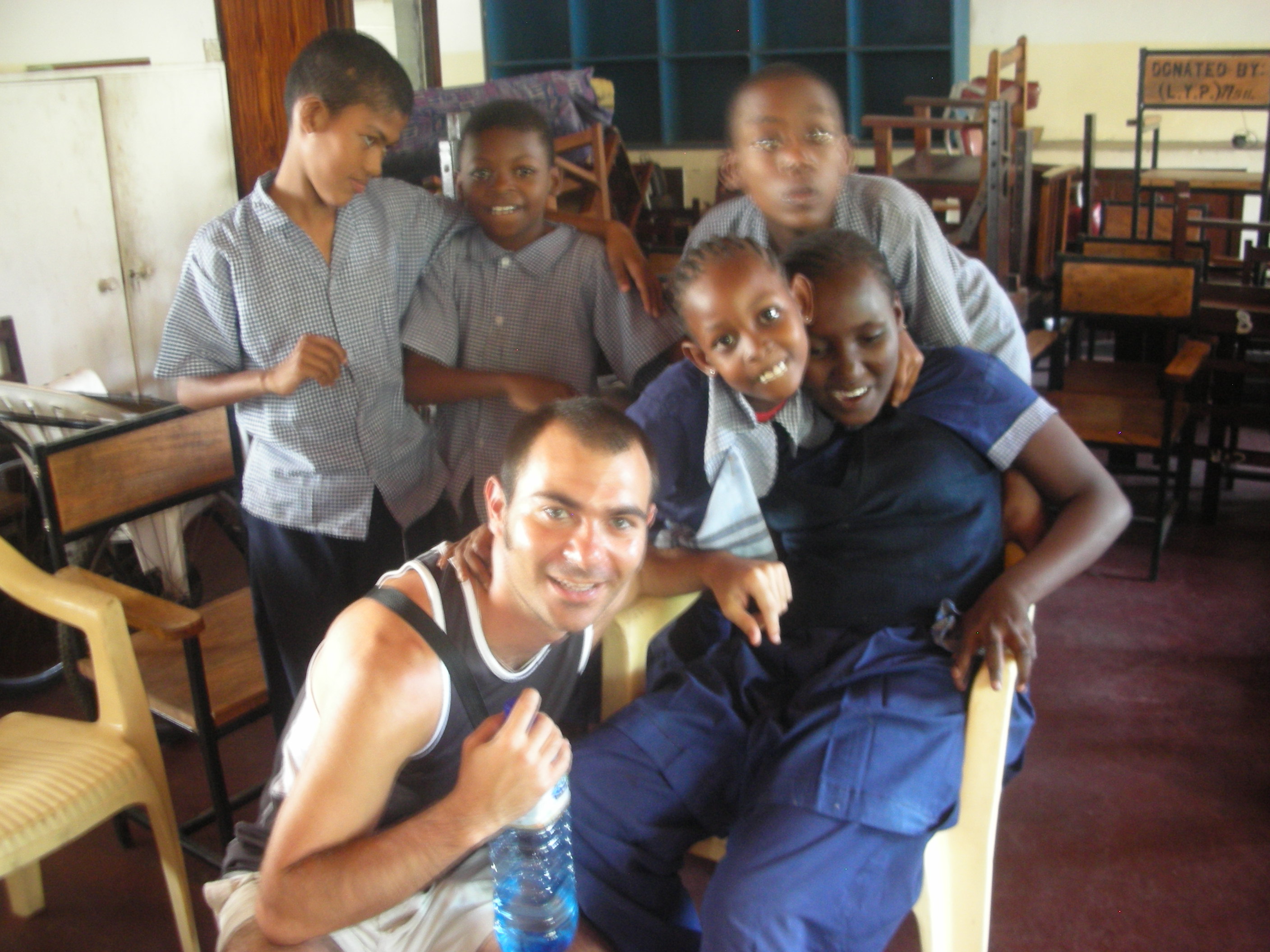
The school did not ask for a donation of any kind and when I asked Chizi what they needed I was told in a very humble way that they would be grateful to receive anything! I have sent my old laptop to the school so that some of the children can develop their keyboard skills and Victoria Education School in Poole has donated some sports tops after having seen my photos.

Me & The Kids

Me & The Kids

Unfortunately, once the children leave the school there are no specialist colleges for them to go on to and there is limited employment for them. There are a small number of craft workshops for disabled people to make and sell goods.